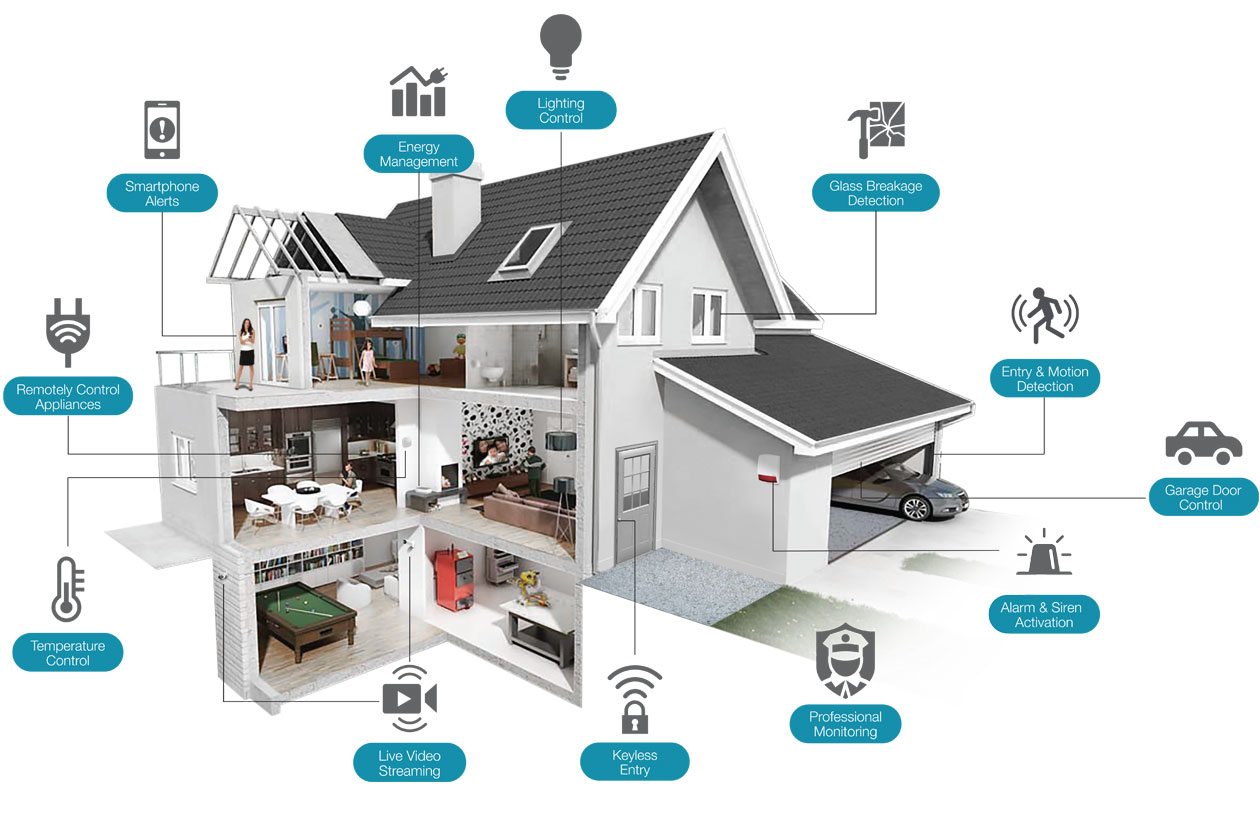
Home Security is no longer a luxury. It is a basic need for every modern household. As homes become smarter and more connected, the risks to safety also increase. From package theft to break-ins and online threats, today’s families face many challenges. This guide from Deep Dive Picks explores Home Security in a clear, practical, and easy-to-understand way. It is written for everyday readers and explains how to protect your home, your loved ones, and your peace of mind using simple tools and smart awareness.
Modern Home Security is not just about locking doors. It is a full system that includes physical protection, smart technology, digital safety, and daily habits. Whether you live in an apartment, a townhouse, or a large family home, the right Home Security plan can make a huge difference.
Why Home Security Matters More Than Ever
Home Security matters because crime has become faster, smarter, and more targeted. Criminals no longer rely only on force. Many use technology to find weak spots in homes. A house without visible Home Security measures often becomes an easy target.
Real-life example: A family living in a quiet neighborhood believed crime could never happen there. One night, while they were away for dinner, their home was broken into through an unlocked back door. The loss of valuables and the emotional shock stayed with them for years. After the incident, they invested in a basic Home Security setup and never faced such a problem again.
Home Security is not just about protecting belongings. It is about protecting people. Feeling safe inside your own home plays a huge role in mental peace, sleep quality, and overall happiness.
Key Components of a Strong Home Security System
A full Home Security system is made up of several important parts. Each plays a different role, and together they create strong protection.
- Strong doors and window locks
- Security cameras
- Alarm systems
- Motion sensors
- Outdoor lighting
- Smart home security tools
Each of these elements works like a layer of defense. If one layer fails, the next layer still provides protection.
Home Security Doors and Window Protection
Doors and windows are the first lines of defense in Home Security. Most break-ins happen through weak doors or unlocked windows. This makes basic physical security extremely important.
Strong doors should be made of solid wood, steel, or reinforced material. Door frames should also be solid because a weak frame can crack easily even if the door itself is strong. Deadbolt locks add another level of Home Security by making it harder for intruders to force entry.
Windows should always have proper locking systems. Sliding windows are especially vulnerable and should be secured with window locks or security bars. Even simple wooden rods placed in sliding tracks can stop forced entry.
Analogy: Think of your doors and windows as the shield of a knight. If the shield is weak, even a small attack can cause damage. A strong shield provides both physical protection and confidence.
Home Security Cameras and Their Role
Home Security cameras are one of the strongest deterrents against crime. Just the sight of a camera can make a thief think twice. Modern Home Security cameras do much more than record video. They offer live viewing, motion alerts, night vision, cloud storage, and even two-way audio.
There are different types of Home Security cameras:
- Indoor cameras to monitor rooms, pets, and children
- Outdoor cameras to watch entry points and surroundings
- Doorbell cameras to check visitors before opening the door
Case study: A small business owner installed a doorbell camera at home after repeated package thefts. Within one week, the camera captured clear footage of the thief, who was later identified. The thefts stopped immediately afterward.
Home Security cameras also help families keep an eye on elderly relatives or young children when they are not in the same room.
Alarm Systems and Sirens in Home Security
An alarm system is the loud voice of your Home Security setup. When triggered, it alerts everyone nearby and often sends instant notifications to the homeowner or a monitoring service.
Alarm systems usually include:
- Door and window sensors
- Motion detectors
- Glass break sensors
- Control panels and panic buttons
When a sensor is triggered, the system sounds a loud alarm and sends alerts to the owner’s phone. Some advanced Home Security alarm systems are connected to emergency services.
Real-life example: A homeowner sleeping upstairs heard a sudden alarm sound during the night. The alert showed motion in the living room. The intruder fled immediately after hearing the siren, and no harm was done. The alarm alone prevented what could have been a serious situation.

Smart Home Security and Automation
Smart Home Security uses internet-connected devices to make protection easier and more effective. These systems allow homeowners to control security from their phones, even when they are far away.
Smart Home Security features include:
- Remote door locking and unlocking
- Live camera access
- Motion alerts on mobile devices
- Smart lighting schedules
- Voice control through digital assistants
Smart Home Security is especially useful for people who travel often. With just a phone, they can check if doors are locked, lights are on, and cameras are working.
Analogy: Smart Home Security works like a digital guard that never sleeps and always stays connected.
Motion Sensors and Perimeter Protection in Home Security
Motion sensors are important tools in Home Security because they detect movement in areas that should be empty. These sensors are often placed in hallways, near doors, staircases, and outdoor paths.
When movement is detected, the system can:
- Turn on lights
- Sound an alarm
- Send alerts to a phone
- Start recording video
Outdoor motion sensors help protect the perimeter of a home. They alert homeowners when someone enters the yard, driveway, or near a back entrance.
This early warning system can stop threats before they even reach the door.
Outdoor Lighting as a Home Security Tool
Lighting plays a powerful role in Home Security. Criminals prefer dark areas where they cannot be seen. Bright outdoor lighting removes that advantage.
Motion-activated lights are especially effective. They turn on automatically when movement is detected, surprising intruders and drawing attention to their presence.
Good areas for outdoor Home Security lighting include:
- Front and back doors
- Driveways
- Side paths
- Garages
- Backyards
Proper lighting also improves safety for family members when they come home at night.
The Role of Neighborhood Awareness in Home Security
Home Security is not only about technology. Human awareness is equally powerful. A watchful neighborhood where people look out for one another creates a strong safety net.
Simple actions that improve Home Security through awareness include:
- Reporting suspicious activity
- Holding neighborhood watch meetings
- Sharing travel plans with trusted neighbors
- Keeping an eye on deliveries
Real-life example: In a close-knit street community, a neighbor noticed a stranger trying multiple doors during the day. The neighbor called the homeowner and local authorities immediately. The attempted break-in was stopped before any damage occurred.
Digital Home Security and Online Safety
Modern Home Security also includes protecting digital devices. Many Home Security systems are connected to Wi-Fi, along with smart TVs, phones, laptops, and home assistants. If these are not protected, hackers can access personal information and even control smart devices.
Basic digital Home Security steps include:
- Using strong, unique passwords
- Updating device software regularly
- Enabling two-factor authentication
- Securing home Wi-Fi with encryption
Smart Home Security devices should always be purchased from trusted brands and updated often to fix security gaps.
Home Security for Apartments and Small Homes
People living in apartments often believe Home Security is limited due to building rules. However, many effective options still exist.
Apartment Home Security solutions include:
- Doorbell cameras
- Window sensors
- Portable alarm systems
- Indoor cameras
- Smart locks that replace existing locks
Even temporary renters can create strong Home Security without damaging property.
Home Security for Families with Children
Families with children have special Home Security needs. Toddlers, teenagers, and elderly relatives all require different types of protection.
Home Security tips for families include:
- Using childproof locks on doors and cabinets
- Setting motion alerts in risky areas
- Installing cameras in common areas
- Teaching children basic safety rules
Case study: A family installed indoor cameras to monitor when their kids returned from school. Parents received instant alerts when the front door opened, giving them peace of mind while at work.
Home Security for Seniors and the Elderly
Seniors often live alone and may find it harder to react quickly to emergencies. Home Security can provide both protection and independence.
Helpful Home Security tools for seniors include:
- Medical alert buttons
- Smart door locks
- Voice-controlled devices
- Video doorbells to avoid opening doors for strangers
These technologies help seniors feel confident and safe in their own homes.
Common Home Security Mistakes to Avoid
Many homeowners believe they are safe when they actually have weak Home Security. These common mistakes reduce protection.
- Leaving doors or windows unlocked
- Hiding spare keys in obvious places
- Ignoring software updates on smart devices
- Not using lights when away
- Posting vacation plans publicly on social media
Even small mistakes can give criminals the opportunity they need.
How to Build a Complete Home Security Plan
A strong Home Security plan combines awareness, technology, and habits. It does not rely on just one device.
Steps to build a reliable Home Security plan:
- Inspect all doors, windows, and locks
- Add basic security cameras and alarms
- Set up outdoor lighting
- Activate smart Home Security features
- Teach all family members safety habits
- Review and update the plan regularly
Home Security should grow with your needs. As families change, security needs also change.
Cost vs Value in Home Security
Some people avoid Home Security because they believe it is too expensive. However, the cost of replacing stolen items or dealing with trauma is often much higher.
Many Home Security systems now offer budget-friendly packages with monthly monitoring plans. Even simple cameras and motion lights provide strong protection at low cost.
Home Security is not an expense. It is an investment in safety and peace of mind.
Home Security and Insurance Benefits
Many insurance companies offer discounts for homes with reliable Home Security systems. Cameras, alarms, and monitoring services reduce the risk of theft and damage.
By installing Home Security tools, homeowners can:
- Lower monthly insurance premiums
- Improve property value
- Reduce risk of loss
This makes Home Security financially smart as well as protective.
The Future of Home Security
The future of Home Security is smart, connected, and automated. New technology uses artificial intelligence to recognize faces, detect unusual behavior, and give more accurate alerts.
Future Home Security trends include:
- Facial recognition for safe access
- Smart locks that learn daily routines
- AI cameras that reduce false alerts
- Fully automated smart homes
As technology grows, Home Security will become even more powerful and easier to manage.
Strong Conclusion: Why Every Home Needs Home Security
Home Security is not something only for large homes or wealthy families. It is for everyone. A safe home means better sleep, less stress, and a stronger sense of control. From simple door locks to advanced smart systems, every Home Security tool adds one more layer of protection.
In today’s world, threats can appear when we least expect them. Home Security prepares us for those moments before they happen. It protects families, valuables, privacy, and peace of mind. When you invest in Home Security, you are not just buying devices. You are building a safer future for everyone under your roof. Explore our homepage now to stay ahead in the digital world.
FAQs
What is the best place to start with Home Security
The best place to start with Home Security is securing doors and windows with strong locks and adding basic outdoor lighting. These simple steps create an immediate layer of protection.
How often should Home Security systems be updated
Home Security systems should be checked and updated at least every six months. Software updates, battery checks, and system testing ensure everything works properly.
Is Smart Home Security safe from hackers
Smart Home Security can be safe if strong passwords, regular updates, and secure Wi-Fi networks are used. Buying devices from trusted brands also reduces risk.