
 By admin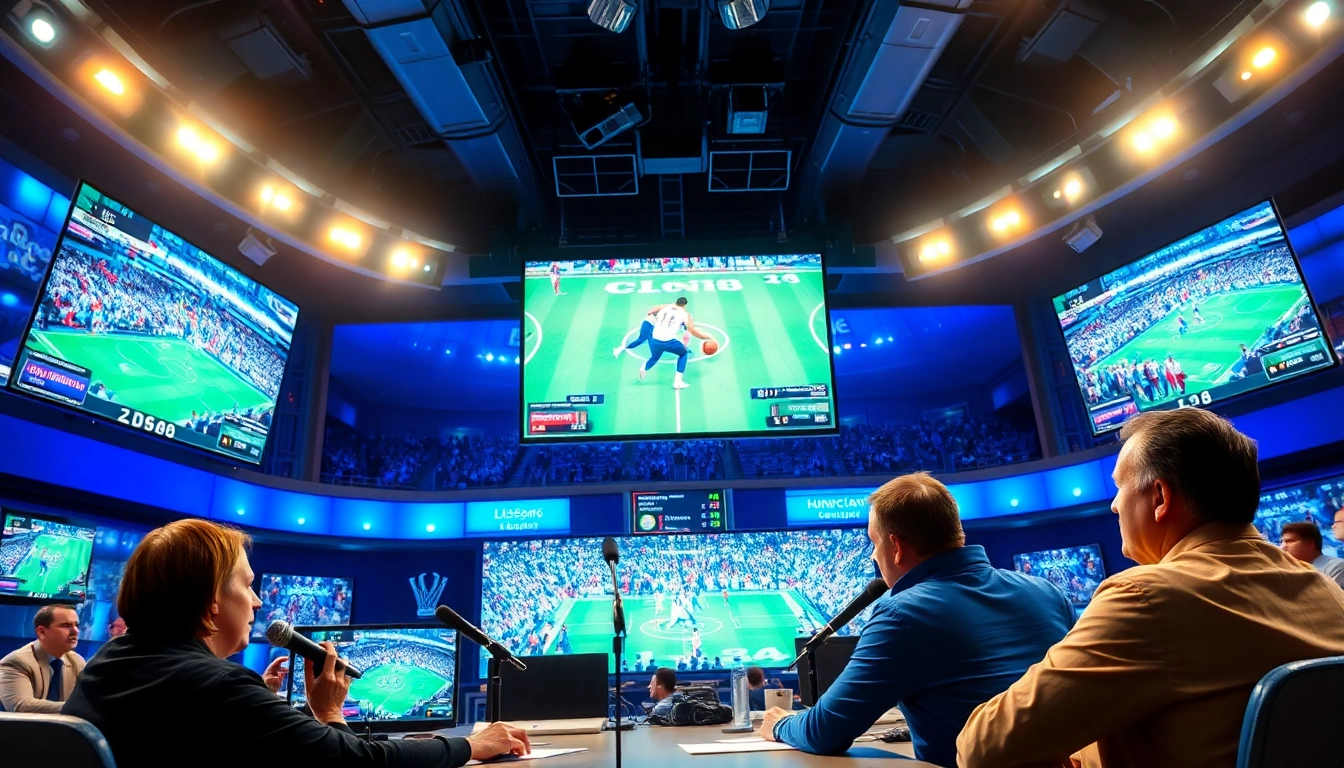
Understanding Sports Broadcasting Fundamentals
What is Sports Broadcasting?
Sports broadcasting refers to the live transmission of sports events to audiences via various media platforms, including television, radio, and online streaming services. By delivering real-time coverage of games and events, sports broadcasting allows fans to experience the thrill of their favorite teams and athletes from the comfort of their homes. Sports Broadcasting has evolved significantly over the years, influenced by advances in technology, changes in audience preferences, and the growing demand for interactive experiences.
Key Components of Sports Broadcasting
The essential components of sports broadcasting encompass multiple layers that contribute to the overall experience. These components include:
- Content Creation: Crafting engaging narratives around the game, including insights, player statistics, and expert analysis.
- Camerawork and Production: The art of capturing the event through cameras, focusing on critical moments that enhance viewer engagement.
- Commentary: Providing live commentary is crucial for informing viewers, offering insights, and enhancing the emotional involvement of the audience.
- Advertising and Sponsorship: Partnering with brands to create revenue streams while enhancing the viewing experience through sponsored segments and promotions.
Importance of Live Coverage
Live coverage is a cornerstone of sports broadcasting, enabling instant access to events as they unfold. This immediacy heightens excitement and allows fans to share experiences in real-time, fostering a strong sense of community. Broadcasts also provide opportunities to engage with audiences through social media platforms, further enriching the viewing experience.
Technological Advancements in Sports Broadcasting
Role of Streaming Services in Sports Broadcasting
Streaming services have revolutionized sports broadcasting by making content more accessible. Platforms like video-on-demand (VOD) allow viewers to watch games at their convenience, catering to diverse schedules and time zones. This convenience extends to international audiences, exponentially increasing the potential market for sports organizations.
Use of AI and Analytics in Sports Broadcasting
Artificial intelligence (AI) and analytics play increasingly pivotal roles in sports broadcasting. By harnessing big data, broadcasters can provide enriched viewer experiences through real-time statistics and personalized insights. AI-driven graphics, predictive modeling, and deep learning algorithms enable broadcasters to tailor content and deliver engaging storytelling elements that resonate with viewers.
Impact of 5G on Sports Broadcasting
The advent of 5G technology heralds a new era of sports broadcasting. With faster data transfer speeds and lower latency, 5G enables higher-quality streaming and more reliable connections, even during live events. This means improved streaming quality for audiences, the introduction of immersive experiences like augmented reality (AR), and potential for innovative viewer engagement techniques, such as interactive applications that allow fans to influence aspects of the broadcast.
Engaging Audiences in Sports Broadcasting
Building a Community Around Sports Broadcasting
Creating a sense of community is vital in sports broadcasting. Engaging with audiences through fan clubs, social media interaction, and live events helps broadcasters create a loyal fan base. Initiatives such as fan polls, contests, and Q&A sessions with athletes encourage active participation, transforming passive viewers into engaged participants.
Interactive Features to Enhance Viewer Experience
Interactive features enrich the viewer’s experience, making it possible to customize broadcasts according to personal preferences. Features like multiple camera angles, real-time polls, and enhanced statistics allow viewers to engage more deeply with content. Such personalization tailors the experience to individual interests, increasing viewer satisfaction and retention.
Utilizing Social Media for Sports Broadcasting
Social media serves as a powerful platform for enhancing sports broadcasts. It provides immediate feedback channels, allows for the sharing of content, and fosters community interactions. Broadcasters can leverage social media to deliver real-time updates, build buzz around events, and engage directly with fans. This dual-channel approach cultivates relationships and encourages dialogue, significantly enhancing the overall experience.
Challenges Faced in Sports Broadcasting
Maintaining Rights and Licensing Agreements
Securing and maintaining rights and licensing agreements is one of the most significant challenges facing sports broadcasters. As rights become increasingly fragmented, negotiating contracts and adhering to various legal stipulations can be complex and costly. Broadcasters must remain agile, understanding market trends and fan preferences while navigating these agreements.
Navigating Technical Difficulties
Technical difficulties can undermine even the most well-planned broadcasts. Issues like equipment failures, connectivity problems, or software glitches can occur unexpectedly. To mitigate such risks, broadcasters need to invest in robust systems for testing and backup solutions. A proactive approach, including regular training for engineering staff and conducting mock broadcasts, ensures preparedness.
Adapting to Audience Expectations
Today’s audiences are increasingly demanding and have evolving expectations regarding content, quality, and accessibility. Meeting these expectations requires continual analysis of audience insights and emerging trends. Broadcasters must cultivate a culture of adaptability, staying ahead of shifts in viewer preferences and remaining responsive to feedback in order to keep audiences coming back.
Future Trends in Sports Broadcasting
Growing Popularity of Virtual Reality in Sports Broadcasting
Virtual reality (VR) is becoming an exciting frontier in sports broadcasting, providing immersive experiences that allow fans to feel as though they are part of the event. VR technology enables viewers to experience sports action from unique perspectives, enhancing engagement and fostering a deeper emotional connection to the game. This trend offers broadcasters a chance to develop innovative new content formats that are both immersive and memorable.
Environmental Sustainability in Sports Broadcasting
As environmental issues gain global prominence, the push for sustainability is impacting all sectors, including sports broadcasting. Broadcasters are increasingly seeking ways to reduce their carbon footprint, fostering eco-friendly practices in sourcing materials, reducing waste, and utilizing sustainable technologies. Emphasizing sustainability not only aligns with societal expectations but can also enhance brand reputation and viewer loyalty.
Global Expansion of Sports Broadcasting Opportunities
The global expansion of sports broadcasting presents unique opportunities and challenges. Emerging markets are hungry for sports content, and broadcasters have an opportunity to deliver localized experiences while establishing a global fan base. Navigating cultural differences, developing localized content, and forging regional partnerships will be key strategies for success in these expanding markets.
Frequently Asked Questions
What is sports broadcasting?
Sports broadcasting is the live transmission of sports events to an audience via TV, radio, or online streaming services.
How has technology changed sports broadcasting?
Technology has enabled greater access through streaming platforms, improved viewing experiences with enhanced graphics, and real-time analytics.
Why is audience interaction important in sports broadcasting?
Audience interaction enhances engagement, fosters community, and provides valuable insights for broadcasters on viewer preferences.
What are some common challenges in sports broadcasting?
Common challenges include licensing rights, technical issues during live broadcasts, and meeting viewers’ evolving expectations.
What trends are shaping the future of sports broadcasting?
Trends include the rise of virtual reality experiences, increased focus on sustainability, and the globalization of sports access.